
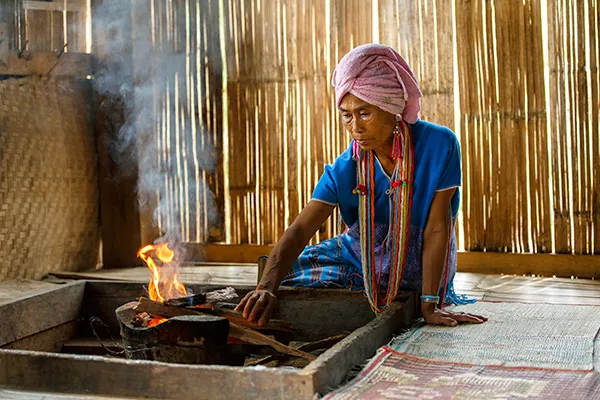

Overview: Embark on a remarkable 14-day, 13-night adventure from the ancient capital of Sukhothai to the cultural heart of Chiang Mai. This carefully designed itinerary showcases the historical depth, natural beauty, and diverse traditions of many hill tribe communities across Northern Thailand. Begin in Sukhothai, exploring the UNESCO-listed Sukhothai Historical Park and Si Satchanalai Historical Park, where graceful ruins and Buddha images reflect the origins of Thai civilization. Continue to Lampang, home to the Thai Elephant Conservation Center, the hilltop Wat Phra That Doi Phra Chan, the dramatic Wat Chaloem Phra Kiat Phrachomklao Rachanusorn perched on mountain peaks, and the city’s charming horse carriage rides. In Chiang Rai, marvel at Wat Rong Khun (White Temple), the vibrant Blue Temple (Wat Rong Suea Ten), and enjoy the scenic Singha Park Farm. Stroll through the Chiang Rai Night Bazaar, visit Doi Tung Palace and Mae Fah Luang Garden, and journey to Mae Sai, Thailand’s northernmost town. Experience the legendary Golden Triangle with a Mekong River cruise. Travel through Mae Ai, Mae Taeng, and Pai, where highlights include the Roi Jai Rak Project, Wat Tha Ton Temple, Hinoki Land, Wat Ban Den Temple, Mork Fah Waterfall, Pong Dueat Hot Spring, and Pai Walking Street. Discover Santichon Chinese Village, Yun Lai Viewpoint, Wat Phra That Mae Yen Temple, the historic Memorial Bridge, Pai Canyon, and the Khokuso Bamboo Bridge. In Pang Mapha and Mae Hong Son, enjoy panoramic views from Doi Kiew Lom, explore Tham Lod Cave, and visit Lisu and Lahu hill tribe villages such as Ban Jabo. Cruise along the Pai River, meet the Long Neck Karen community, and experience the charm of Ban Rak Thai Chinese Village. Encounters with Hmong and Pa-O hill tribes add cultural depth. Continue to Mae Sariang, where Ban Huai Hom Karen and Ban La-ub Lawa villages reveal traditional lifestyles. Conclude in Chiang Mai, exploring Ob Luang National Park, Doi Inthanon National Park with its Twin Royal Pagodas and Wachirathan Waterfall, and the city’s most iconic temples—Wat Phra That Doi Suthep, Wat Chedi Luang, and Wat Phra Singh. End with a visit to Sankampaeng and Borsang Handicraft Villages, where artisans preserve centuries-old crafts. This journey offers a harmonious blend of history, culture, and nature—from ancient ruins and sacred temples to misty mountains and vibrant hill tribe villages. It is a deeply immersive exploration of Northern Thailand, leaving travelers with lasting memories of beauty, tradition, and discovery.
● 2 Persons 86,300 THB
● 3 Persons 73,100 THB
● 4 Persons 58,300 THB
● 5 Persons up 56,100 THB
● Price per person / In Thai baht / Private tour
● Tour Difficulty Levels / Easy / Moderate / Challenging
● English Speaking Guide
● Travel Accident insurance
● Admission fees as tour mentioned
● Tour and transfer as private air-con vehicle
● Meals as mentioned in the program (13 Breakfasts / 12 Lunches)
● Accommodations as mentioned based on twin sharing (13 Nights)
● For groups with an odd number of guests, one traveler will be accommodated in a single room at no additional cost.
● Air Fare
● Personal expenses
● Meals are not mentioned in the program
● Sukhothai: Le Charme Sukhothai or similar
● Lampang: Lampang River Lodge or similar
● Chiang Rai: Nak Nakara Hotel or similar
● Ban Tha Ton: Maekok River Village Resort or similar
● Pai: Yoma Hotel or similar
● Mae Hong Son: The Imperial Mae Hong Son Resort or similar
● Mae Sariang: River House Resort or similar
● Chiang Mai: Duangtawan Hotel Chiang Mai or similar
Accommodation Included Throughout Your Journey:
Please note that this tour package thoughtfully includes accommodation for every night of your journey, starting from the very first day until the final evening. Guests can enjoy the convenience of having all lodging arrangements fully taken care of, ensuring a seamless travel experience without the need to worry about additional bookings. Each stay is selected to provide comfort and ease, allowing you to focus entirely on enjoying the destinations, activities, and cultural encounters along the way. By covering all nights’ accommodation, we aim to give you peace of mind and the assurance that your trip will be both well-organized and worry-free.
Private Tour:
This exclusive private tour is designed especially for you and your companions, ensuring that no other travelers will join your group. With complete privacy and comfort, you are free to set your own departure time, travel at a pace that suits you best, and immerse yourself in the attractions that truly inspire you. Whether you wish to linger longer at a favorite site, take photographs without feeling hurried, or simply enjoy a leisurely meal, the choice is entirely yours. Your journey will be tailored to your preferences, allowing you to savor each moment without the pressure of a fixed schedule. A private tour offers not only flexibility but also a more personal and memorable experience. It is the perfect way to discover new destinations in comfort, while enjoying the freedom to create lasting memories with those who matter most to you.
Dinner Not Included:
Our thoughtfully crafted tour packages include both breakfast and lunch, ensuring that your essential daytime meals are fully taken care of throughout the journey. Dinner, however, is purposefully left out of the package. We believe that the evenings are a wonderful time for personal exploration, and we want to give you the freedom to enjoy each destination in your own way. By arranging your own dinner plans, you will have the opportunity to wander through the local streets, soak in the unique atmosphere, and experience the vibrant culture that comes alive after sunset. Whether you choose to sample a variety of traditional dishes, seek out hidden culinary gems, or simply enjoy your favorite meals at a relaxed pace, the choice is entirely yours. This flexibility allows you to connect more deeply with the local lifestyle and create memorable dining experiences in every city where you stay overnight.
No Hidden Costs:
Aside from personal expenses and dinner, you will not incur any additional costs. We are committed to providing complete transparency and ensuring that the prices and services listed on our website or in the quotation letter are the final and all-inclusive prices for our valued customers. You can rest assured that there will be no hidden or extra charges added to the quoted price. Our goal is to offer a seamless and hassle-free booking experience, and we understand the importance of providing accurate and upfront pricing to our customers. We take pride in our integrity and customer-centric approach, and we want you to feel confident and assured when booking with us. Should you have any questions or concerns about the pricing or services offered, our dedicated team is always available to address any queries and provide you with the necessary information.
Tour Guide and Driver:
Many travelers often ask whether the driver and the tour guide are the same person. Please be assured that these are two separate roles, each with distinct responsibilities. Our drivers are dedicated solely to operating the vehicle safely, maintaining its condition and cleanliness, and offering general assistance to travelers when needed. They ensure that every journey is smooth, comfortable, and safe. Our tour guides, on the other hand, are responsible for accompanying travelers to the various attractions listed in the itinerary. They provide detailed explanations about each destination, share cultural and historical insights, and answer any questions you may have along the way. With their knowledge and experience, our guides aim to make your trip enjoyable, informative, and memorable. We place great importance on your safety, comfort, and overall travel experience.
Customizable Itinerary:
Although each tour itinerary we offer has been carefully designed to include major attractions and well-paced daily activities, we fully understand that every traveler has unique interests and preferences. To ensure your experience matches your expectations, we allow you to personalize the itinerary according to your own needs. You are welcome to let us know if there are any attractions you would prefer to skip, additional places you wish to visit, or special requirements you would like us to consider. Once we receive your requests, our team will review them and assess their feasibility. If the changes can be accommodated, we will create a customized itinerary tailored specifically to your preferences and send it to you for review. In the event that certain modifications are not possible due to time constraints, distance, or other limitations, we will clearly explain the reasons and provide alternative suggestions whenever available. Our goal is to help you craft a trip that is enjoyable, flexible, and perfectly suited to your travel style.
Customizable Accommodation:
While all the tour packages showcased on our website encompass accommodation, we understand that you may have preferences for different hotels. Should you desire to lodge at a hotel distinct from the ones featured in the tour package, kindly share with us the chosen tour package and specify the hotel name for each city, your preferred room type, the quantity of rooms required, and any additional specifications you may have. Upon receiving your particulars, we will proceed to assess the availability of the requested hotel rooms and ascertain the feasibility of accommodating any other specific requirements you might have. It is important to note that modifications such as changing hotels, adjusting the number of rooms, or introducing other requisites could lead to a revision in the tour package price. This adjustment would be contingent upon the pricing of the selected rooms and additional services at the chosen hotel. Rest assured, prior to confirming any hotel reservations or additional services, we will promptly communicate to you any changes in the tour package price resulting from your requests. This transparent approach ensures that you are well-informed and enables you to make an informed decision before finalizing any adjustments to your booking.
Tours Without Accommodation:
Alternatively, if you would prefer to make use of only our tour services—comprising comfortable transportation to a variety of attractions, the guidance of our knowledgeable and friendly tour leaders, inclusive lunches, and admission fees to all scheduled sites—while choosing not to take advantage of the accommodation included in the standard tour package, you are welcome to arrange your own lodging independently. This option allows you greater flexibility to select accommodation that best suits your personal preferences, budget, or location convenience, while still enjoying the full benefits of our curated tours. This arrangement can be applied to any of the tour packages featured on our website. To move forward, kindly indicate the specific tour package you are interested in, along with any additional requirements or preferences you may have. Once we receive this information, our team will promptly prepare and share with you the detailed pricing for the selected tour package, calculated without the accommodation charges, so that you have a clear understanding of the costs involved.
Travel Accident Insurance Included:
For your comfort, safety, and peace of mind throughout your journey, we provide comprehensive travel accident insurance as an essential part of every tour package. This coverage is designed to reassure all travelers as they explore Thailand, knowing that they are protected should any unexpected incidents occur during their trip. Our insurance policy fully complies with the regulations set forth by the Department of Tourism of Thailand. These regulations require all licensed tour operators and travel agencies to provide travel accident insurance for every customer participating in their tours. This mandatory safeguard helps promote safer travel experiences and ensures that visitors receive proper assistance, care, and support in the event of unforeseen circumstances. Regardless of the size of your group—whether you are traveling solo, with family, or as part of a larger tour—our insurance will automatically cover every participant without exception. This allows you to enjoy your journey with confidence, without the need to arrange additional coverage on your own. Please also note that the travel accident insurance we provide is already included in the tour price. There are no extra charges, hidden fees, or optional add-ons related to this benefit. Our intention is to offer a seamless, transparent, and worry-free experience from start to finish, allowing you to focus entirely on enjoying the beauty, culture, and unique charm that Northern Thailand has to offer. Your well-being is our top priority. We are committed to maintaining the highest standards of safety and service quality, ensuring that you feel supported and cared for every step of the way throughout your journey.
Itinerary
Upon your arrival at Sukhothai Airport, you will be warmly greeted and assisted with your transfer to the hotel. After checking in, the rest of the day is yours to enjoy at leisure—whether you choose to unwind and settle in or take the opportunity to explore Sukhothai at your own pace.
Begin your journey through northern Thailand with a visit to the magnificent Sukhothai Historical Park. Spanning approximately 70 square kilometers, this vast site was once the cradle of Thailand’s first kingdom, marking the nation’s emergence as a unified political, cultural, and spiritual entity during the 18th to 20th Buddhist centuries (13th–15th centuries CE). The very name “Sukhothai,” meaning “Dawn of Happiness,” reflects its revered status as the birthplace of the Thai nation. In 1991, UNESCO recognized its monumental role in shaping Thailand’s identity by designating it a World Cultural Heritage Site. As you wander through the park, you will be captivated by the elegance of Sukhothai Buddhist sculptures, celebrated for their fluidity and balance between spirituality and aesthetic refinement. These masterpieces are considered the pinnacle of Thai artistic achievement. Within the city walls, 26 ancient monuments await discovery, while more than 70 significant sites lie beyond. Among them, Wat Mahathat stands as the spiritual and ceremonial heart of the old kingdom, its towering stupas and serene Buddha images embodying the sophistication of Sukhothai-era architecture. Equally awe-inspiring is Wat Si Chum, home to the colossal seated Buddha known as “Phra Achana,” housed within a grand stone mandapa. This iconic image, radiating peace and wisdom, is one of the park’s most photographed landmarks. Other notable sites such as Wat Chana Songkhram, Wat Traphang Ngoen, and Wat Sri Sawai each reveal unique facets of the region’s rich religious and cultural tapestry. As you explore, you will also gain insight into Sukhothai’s advanced urban planning, with its complex irrigation systems, ancient roads, and well-organized city layout that set enduring standards for future Thai cities.
From the grandeur of Sukhothai, your journey flows naturally to the Si Satchanalai District, where another treasure of ancient Thailand awaits. The Si Satchanalai Historical Park, also honored as a UNESCO World Cultural Heritage Site in 1991, spans over 45 square kilometers and preserves the legacy of early Thai civilizations. With 215 archaeological sites, the park reveals evidence of prehistoric settlements and the beginnings of urban development. Its defining feature is the extensive use of laterite stone, forming the foundations of grand temples and monuments. Among the most celebrated are Wat Chang Lom, encircled by sculpted elephant statues, and Wat Chedi Chet Thaeo, renowned for its intricately designed stupas. Wat Nang Phaya enchants visitors with delicate stucco reliefs, while Wat Suwan Khiri and Wat Phra Si Rattana Mahathat showcase the enduring brilliance of Sukhothai-era architecture. Beyond these highlights, hidden gems such as Wat Suan Kaew Yai and Wat Suan Kaew Noi, nestled in tranquil natural settings, invite quiet reflection. The revered City Pillar Shrine further emphasizes the spiritual significance of this ancient city. As you stroll through the ruins, surrounded by verdant forests, you will sense the harmony between human creativity and nature. The serene atmosphere, combined with the grandeur of the monuments, creates an immersive experience that lingers long after your visit. As the day draws to a close, your journey continues seamlessly to Lampang Province. Arriving in the evening, you will be welcomed at your accommodation, where you can rest and refresh. Yet before retiring, take time to explore Lampang’s lively night market, where the vibrant atmosphere and local delicacies offer a delightful end to your day. Enjoy dinner at your leisure, soaking in the charm of this northern town, before preparing for the discoveries that await in Lampang the following morning.
Begin your exploration of Lampang Province with an unforgettable visit to the Thai Elephant Conservation Center in Ban Thung Kheuan Village, Wiang Tan Subdistrict, Hang Chat District. Operated under the supervision of the Forest Industry Organization, this sanctuary is devoted to the welfare of elephants, ensuring they receive exceptional care and medical treatment. As a visitor, you will step into a world of engaging activities that both celebrate and educate about these magnificent creatures. The center offers captivating elephant shows that highlight the intelligence and versatility of these gentle giants, while also providing invaluable insights into the art of elephant care and the deep bond between elephants and their mahouts (caretakers). One of the most enchanting moments is witnessing the ritual of elephant bathing, a serene spectacle that reflects the close relationship between elephants and water. Beyond the performances, the center offers educational experiences where you can learn about the history of elephants in Thai culture, their role in forest conservation, and ongoing efforts to protect and rehabilitate them. For those seeking a deeper connection, hands-on activities such as preparing elephant food provide a meaningful glimpse into their daily lives. Whether you are a nature enthusiast, an animal lover, or simply in search of a unique adventure, the Thai Elephant Conservation Center promises a fulfilling experience that will leave you with a profound appreciation for these majestic animals and the dedication behind their care.
From the lively atmosphere of the conservation center, your journey continues to the tranquil mountains of Doi Phra Chan, where Wat Phra That Doi Phra Chan awaits. This architectural gem embodies the essence of Lanna style, renowned for its intricate details and graceful elegance. As you ascend the mountain, anticipation builds until you reach the serene vihara housing the revered Buddha image known as “Somdej Phra Phutthasikhi Thotsapolyan Conquer Vikram primordial right Sri Prachan Banphot.” Depicted in a meditative posture, the statue radiates peace and tranquility, while the vihara’s interior, adorned with exquisitely carved wood and gilded gold, showcases meticulous craftsmanship. Nearby stands the Phra That Doi Phra Chan, a striking white chedi crowned with tiers of gleaming gold, adding to the aura of spiritual significance. Adjacent to the temple complex rises a majestic Daibutsu (Great Buddha) statue, a replica of the renowned Kotokuin Temple in Kamakura, Japan. This colossal figure of Amitabha Buddha, enshrined on a continuous hill, evokes serenity and grandeur. As you explore the temple grounds, breathtaking panoramas unfold—the verdant landscapes of Mae Tha and surrounding districts stretch endlessly before you, blending spiritual reverence with natural beauty in a truly unforgettable scene.
Continuing onward, the expedition leads to Chae Hom District, where the celestial beauty of Wat Chaloem Phra Kiat Phrachomklao Rachanusorn—also known as Wat Phra Bat Phu Pha Daeng—awaits atop a mountain nearly 1,000 meters above sea level. This remarkable temple complex is one of the most striking spiritual landmarks in northern Thailand, perched dramatically on a series of rugged limestone peaks that rise above the surrounding countryside. The journey to its summit requires walking along a one-kilometer trail through lush forest, with steep ascents and stairways adding to the sense of pilgrimage. As visitors make their gradual climb, the cool mountain air and the quiet atmosphere of the forest create a tranquil setting that heightens the anticipation of the destination above. Though the ascent may be challenging at times, each step brings travelers closer to a place of remarkable beauty and serenity. Upon reaching the zenith, you are greeted by numerous gleaming pagodas, meticulously constructed through years of devotion by monks and villagers. These white and golden chedis stand gracefully atop the rocky peaks, forming a spectacular panorama that seems to float among the clouds. From this extraordinary vantage point, sweeping views of Chae Hom District and the surrounding valleys unfold in breathtaking fashion, offering a sense of paradise on earth and a profound spiritual reward for the effort of the climb.
To complete your Lampang experience, immerse yourself in the charm of Lampang city with a delightful horse carriage ride along its historic roads. Once the bustling economic arteries of the province, these routes are lined with ancient buildings that still bear traces of Lampang’s prosperity. The horse carriage, a cherished symbol of Lampang’s identity, was once the primary mode of transportation for locals. Though modern vehicles have largely replaced them, the people of Lampang have preserved this heritage with remarkable dedication. Today, horse carriages remain a nostalgic and picturesque way to explore the city, offering visitors a glimpse into a bygone era while celebrating the fusion of old and new. As your carriage glides through the streets, you will feel transported to another time, savoring the city’s historical charm and cultural continuity. After a day filled with Lampang’s wonders—from elephants and temples to mountain vistas and heritage rides—spend another night in this captivating province, cherishing the memories of your journey and the unique experiences it has bestowed upon you.
Embark on a picturesque journey from Lampang Province to Chiang Rai Province, where each stop along the way reveals a tapestry of natural beauty, artistic brilliance, and cultural heritage. Your first destination is the world-renowned Wat Rong Khun, or White Temple, a dazzling vision brought to life by Professor Chalermchai Kositpipat, one of Thailand’s most celebrated contemporary artists. His masterpiece fuses modern religious architecture with the timeless elegance of Lanna tradition. The temple’s gleaming white façade, adorned with intricate stucco patterns and sparkling glass mosaics, rises like a celestial palace. As you cross the symbolic bridge toward the chapel, sculptures depicting heaven and hell invite reflection on Buddhist teachings about morality and the human journey. Inside, shimmering silver mirror motifs dance across the walls, creating an ethereal atmosphere that feels both sacred and surreal. Complementing the main chapel are art galleries and sculptural installations, each offering deeper insight into Chalermchai’s vision of spirituality expressed through art.
From the brilliance of Wat Rong Khun, continue to the enchanting Singha Park, an expansive agricultural wonderland owned by Boon Rawd Brewery. Spanning more than 3,000 acres, the park unfolds in rolling hills, a vast lake, and meticulously landscaped grounds. Visitors are greeted by over 250 acres of lush oolong tea plantations, their verdant rows stretching endlessly across the horizon. Beyond tea, Singha Park celebrates the bounty of nature with its fruit kingdoms, offering melons, strawberries, raspberries, giant gooseberries, and more. Stroll through vegetable and herb gardens cultivated with care, and delight in the vibrant flower fields bursting with color and fragrance. Adding to its charm, the park provides opportunities to interact with African animals such as giraffes and zebras, making it a destination that blends agriculture, conservation, and family-friendly adventure. For those seeking leisure, cycling paths and scenic viewpoints invite exploration, while the park’s cafés and restaurants offer refreshing tea-based drinks and farm-to-table cuisine.
As the day unfolds, journey onward to Wat Rong Suea Ten, widely known as the Blue Temple, a dazzling creation by Chiang Rai’s renowned folk artist, Puttha Kabkaew. Located along the banks of the Kok River in Chiang Rai, this remarkable temple stands out for its vivid and captivating design. The temple’s mesmerizing blue and gold color scheme, combined with intricate details and ornate decorative motifs, creates a visual spectacle that enchants all who visit. Every surface appears thoughtfully crafted, with elegant patterns and symbolic elements reflecting Buddhist philosophy and artistic imagination. Inside the vihara, applied art harmoniously blends traditional Thai styles with modern creativity, producing a serene yet vibrant atmosphere. At the heart of the temple lies the magnificent Buddha image known as Phra Buddha Ratchamongkol Bodi Tri Lokanath, which enshrines sacred relics within its form. Surrounded by luminous murals and elaborate sculptures, the interior space radiates a sense of calm and spiritual grace. This sacred setting invites quiet reflection, prayer, and reverence, offering travelers a peaceful pause amid their journey. The temple’s artistry, with its sweeping wall paintings, radiant statues, and intricate ornamentation, ensures that every corner reveals a new layer of meaning and beauty to those who explore it.
Conclude your day at the lively Chiang Rai Night Bazaar, a vibrant hub beloved by locals and visitors alike in the heart of Chiang Rai. As evening settles over the city, the bazaar comes alive with lights, music, and the cheerful bustle of shoppers and street vendors. The market brims with hill tribe handicrafts, clothing, accessories, jewelry, and home furnishings—each item reflecting the artistry and cultural heritage of northern Thailand’s diverse ethnic communities. As you wander through the lively rows of stalls, tantalizing aromas fill the air, inviting you to sample a wide array of food and beverages—from classic Thai street food and grilled delicacies to sweet desserts and international flavors. Open-air seating areas allow visitors to relax while enjoying their meals, often accompanied by live music and cultural performances by local hill tribe groups. These performances showcase colorful costumes, traditional dances, and melodies that celebrate the region’s enduring traditions. As night deepens, immerse yourself in the festive ambiance, savoring the vibrant sights, sounds, and tastes that define Chiang Rai’s evening culture. With memories of sacred temples, artistic wonders, and meaningful cultural encounters, your day concludes in a spirit of wonder and fulfillment—leaving you inspired and ready for the adventures that still lie ahead.
Embark on a captivating journey to the charming Mae Fah Luang District, where the enchanting Doi Tung Palace and Mae Fah Luang Garden await your visit. Doi Tung Palace—also known as the Doi Tung Royal Villa—is perched at an elevation of 1,200 meters above sea level on the forested slopes of Doi Tung Mountain. Constructed in 1987, this serene retreat once served as the residence of Her Royal Highness Princess Srinagarindra, the beloved Princess Mother of Thailand. The palace is a striking fusion of Swiss chalet and traditional Lanna architectural styles. Crafted with elegance and care, it features exquisite wood carvings by skilled northern Thai artisans, adorning its gables, eaves, and window frames with intricate detail. Doi Tung Palace was established as part of the Princess Mother’s royal initiative to restore and rehabilitate areas ravaged by deforestation and opium cultivation. Her vision gave rise to the Doi Tung Development Project, a sustainable development program designed to improve the quality of life for local communities through education, agriculture, and self-sufficiency. Just steps from the palace lies the Mae Fah Luang Garden, a vibrant sanctuary of color and fragrance. This beautifully landscaped botanical garden showcases a stunning array of flowers and plants from around the world. As the seasons change, so too does the garden’s appearance—bursting into life with the soft pastels of spring or glowing with the fiery tones of autumn. It is a living canvas that delights the senses and offers a peaceful retreat from everyday life. A visit to Doi Tung Palace and the Mae Fah Luang Garden is more than a scenic experience—it is a journey through Thailand’s natural beauty, architectural elegance, and the enduring legacy of a royal mission that transformed lives and landscapes alike.
From Doi Tung, continue northward to Mae Sai District, Thailand’s northernmost district, located in Chiang Rai Province. Here, the Mae Sai River forms a natural boundary with Myanmar’s Tachileik District in Myanmar, linked by a bridge that seamlessly connects the two nations. This important border crossing has long served as a gateway for commerce, travel, and cultural exchange between Thailand and Myanmar. Standing on the Thai side, you can easily glimpse the town of Tachileik across the river, where daily life unfolds just beyond the border. Nearby, the bustling Mae Sai Market offers a vibrant border-town experience. Known as one of the largest shopping districts in northern Thailand, the market brims with variety—electrical appliances, traditional herbs, wicker crafts, locally produced goods, colorful textiles, and an abundance of delectable dried foods, all offered at attractive prices. Narrow lanes filled with lively stalls invite visitors to browse and bargain, creating a dynamic and engaging atmosphere. The energy of the marketplace reflects Mae Sai’s unique character as a crossroads of trade and culture, where Thai and Burmese influences naturally mingle in everyday life. The blend of languages, cuisines, and handicrafts found here adds to the charm of this frontier town, making it not only a shopping destination but also a fascinating place to experience the rich cultural connections that shape the northern border region.
The journey then takes an intriguing turn, inviting you to explore the historical significance of the Golden Triangle, situated in Sop Ruak Village, Chiang Saen District. The Mekong River gracefully divides the borders of Thailand and Laos, where it converges with the Ruak River, marking the boundary between Thailand and Myanmar. This vantage point affords a clear view of the Myanmar and Laos landscapes. The Golden Triangle’s past reveals a fascinating history as it once served as a thriving opium cultivation area, famously known as the epicenter of the global opium trade, earning the moniker “Golden Triangle.” Legends abound about the immense wealth generated from trading opium for raw gold, leading to this evocative title. Today, the opium trade has been relegated to history’s pages, but the allure of the past remains. You can pay your respects at The Golden Triangle Buddha, an awe-inspiring bronze sculpture adorned with topaz, weighing a staggering 69 tons, with a span of 10 meters and a towering height of 15 meters. This magnificent Buddha was erected to replace its predecessor, which had been submerged in the Mekong River. Now, it stands majestically on the river’s shore, a symbol of peace and reflection.
To fully embrace the region’s wonders, embark on a Mekong River cruise, an unforgettable experience that reveals both natural beauty and cultural life along its banks. Originating in the icy plateau of Tibet, the Mekong flows through China, Laos, Myanmar, and Thailand before reaching Vietnam’s South China Sea. In Chiang Saen, the river serves as a lifeline, nourishing communities and fostering economic and cultural connections. As you glide along its waters, you’ll witness riverside villages, verdant landscapes, and the rhythm of daily life shaped by this mighty river. The cruise offers not only scenic vistas but also a deeper appreciation of the Mekong’s role in sustaining civilizations across Southeast Asia. After a day rich with exploration—from royal palaces and gardens to bustling markets, historic landmarks, and river journeys—immerse yourself in the charming ambiance of Chiang Rai. Spend another night in this enchanting province, savoring the memories of a journey that seamlessly blends nature, culture, and history into one unforgettable adventure.
Embark on an enriching journey through the cultural and natural wonders of Northern Thailand, where each destination flows seamlessly into the next, creating a tapestry of experiences that blend spirituality, heritage, and breathtaking landscapes. Begin your day at the awe-inspiring Wat Huay Pla Kang Temple in Chiang Rai. Rising gracefully on a small hill, the temple’s striking nine-storey, twelve-sided chedi is adorned with intricate Chinese and Lanna artistry. Its red roof is flanked by two majestic dragon statues, guiding visitors toward the sanctuary with a sense of grandeur. Inside, the enshrined Goddess Guan Yin Bodhisattva—an immense sandalwood statue—radiates blessings and forgiveness, inviting quiet reflection. Outside, the temple’s most iconic landmark dominates the skyline: a towering 69-meter Guan Yin Bodhisattva statue, equivalent to a 25-storey building. Visitors can ascend via an elevator system to enjoy sweeping panoramic views of Chiang Rai’s picturesque valleys and distant mountains, a moment that lingers long after the visit.
From this spiritual haven, continue toward the captivating region of Doi Mae Salong in Chiang Rai Province, a landscape of rolling hills blanketed with lush terraced tea plantations. The gentle curves of the plantations reflect the harmony between land and people, while the crisp mountain air adds serenity to the scene. This scenic mountain area, also known as Santikhiri Village, has long been celebrated for producing some of Thailand’s finest oolong tea. Rows upon rows of neatly arranged tea bushes stretch across the hillsides, creating a striking green tapestry that changes color with the light throughout the day. The area is home to descendants of Chinese Yunnan immigrants who settled here decades ago, bringing with them traditions, architecture, and culinary influences reminiscent of southern China. Their heritage remains visible in the villages scattered across the hills, where Chinese-style homes, shrines, and traditional tea houses blend harmoniously with northern Thai culture. As you explore the area, you may notice signs written in both Thai and Chinese, further reflecting the community’s enduring cultural identity. Pause here for a leisurely lunch, savoring local dishes infused with fragrant tea and mountain herbs, while gazing out over the tranquil plantations and misty hills that define the charm of this unique highland settlement.
Afterward, immerse yourself in the traditions of the Akha people, whose communities are nestled throughout the highlands of Chiang Rai Province. Originating from southern China, the Akha migrated gradually through Myanmar before settling in northern Thailand more than a century ago. Their bamboo houses with thatched roofs often perch along mountain ridges, reflecting their preference for elevated locations that provide fresh air, fertile soil, and sweeping views of the surrounding valleys. Agriculture forms the backbone of their livelihood, complemented by household crafts such as intricate embroidery, weaving, and the creation of delicate silver ornaments. Visitors are often captivated by the Akha’s vibrant traditional attire—colorful dresses and distinctive headdresses adorned with silver ornaments, beads, and coins that shimmer in the sunlight. Each element of the costume carries symbolic meaning related to heritage, status, and community identity. Meeting members of the Akha community offers not only valuable cultural insight but also a glimpse into the resilience, creativity, and enduring traditions of a people deeply connected to their mountainous homeland.
Your journey then leads to Ban Huai San Village in Mae Ai District, home to the inspiring Roi Jai Rak Project, managed by the Mae Fah Luang Foundation under Royal Patronage. This meaningful initiative was established to uplift hill tribe communities by encouraging sustainable livelihoods, environmental stewardship, and long-term self-sufficiency. Through agricultural development and community support, the project helps local families improve their quality of life while preserving their cultural heritage. Within the village lies Suan Roi Jai Rak, a beautifully landscaped garden showcasing seasonal winter flowers and carefully tended vegetable plots. The garden bursts with color and fragrance, offering visitors both aesthetic delight and insight into local agricultural practices promoted by the project. Pathways wind through flower beds, greenhouses, and demonstration plots where visitors can observe how modern techniques are integrated with traditional farming methods. Adjacent to the garden, the lively Kad Luang Roi Jai Rak Market buzzes with activity as villagers proudly present their finest produce, fresh fruits, flowers, handmade crafts, and locally prepared snacks. Here, travelers can interact directly with members of the community, purchase unique handmade items, and experience the vibrant spirit of local enterprise. The market reflects the diversity and craftsmanship of the surrounding hill tribes, making it one of the most memorable cultural highlights of the journey.
As the day continues, head toward Ban Tha Ton Village in Chiang Mai Province. This charming border village, located near the frontier with Myanmar, is embraced by forested mountains and the gently flowing Kok River, which keeps the atmosphere cool and refreshing throughout the year. The village reflects the rich cultural diversity of northern Thailand, where several ethnic hill tribe communities have lived side by side for generations, preserving traditions that continue to shape everyday life. Take time to explore Wat Tha Ton, a remarkable temple complex perched on a hillside overlooking the valley. The temple is built on an impressive nine-tiered base, with each level housing sacred shrines, Buddha images, and meditation areas that invite quiet contemplation. As you ascend through the terraces, sweeping views of the surrounding countryside gradually unfold. At the summit rests Phra Borommathat Ratchamangkalachan Samanchan, also known as Phra Chedi Kaew, a gleaming white chedi that stands as the spiritual centerpiece of the temple. From this elevated vantage point, breathtaking panoramic views stretch across Ban Tha Ton, the winding Kok River, and the distant mountain ranges that mark the borderlands. As evening falls, settle into the peaceful village for a restful night. Surrounded by cool mountain air and tranquil scenery, you can reflect on the day’s experiences—rich cultural encounters, inspiring community initiatives, and the natural splendor that defines Northern Thailand. The quiet charm of Ban Tha Ton provides the perfect ending to a day filled with discovery and memorable moments.
Embark on a captivating journey through the enchanting landscapes and cultural treasures of Northern Thailand, where each destination unfolds naturally into the next, creating a seamless tapestry of discovery. Your day begins at Hinoki Land, a fascinating Japanese-inspired architectural attraction that stands gracefully amid the tranquil mountains of Chiang Mai Province. Spanning approximately 33 acres, this charming cultural park presents an immersive introduction to Japanese art, traditions, and design within a carefully crafted setting that echoes the elegance of traditional Japan. As you pass through the entrance, a large red lantern arch—symbolizing good fortune—welcomes you into the complex and leads you toward a remarkable pathway lined with 88 pairs of torii gates. This vibrant corridor gradually guides visitors to the impressive four-story Hinoki Castle, constructed from the noble and sacred hinoki pine wood. Inspired by Kyoto’s famed Kinkakuji Castle, the castle reflects the refined beauty of Japanese architecture while standing harmoniously against the backdrop of lush forests and rolling hills. The tranquil surroundings enhance the sense of stepping into another world, offering visitors a unique glimpse of Japanese splendor nestled within the peaceful mountains of Northern Thailand.
From this cultural retreat, the journey continues to another architectural masterpiece—Wat Ban Den Temple, also known as Wat Den Sari Sri Muang Kaen. Located in Inthakin Sub-District of Mae Taeng District, this magnificent temple complex is celebrated for both its historical significance and its remarkable Lanna-style architecture. The temple’s name originates from the auspicious “Sari Tree,” a Bodhi tree that once stood on the temple grounds and played an important role in shaping its identity. Because the temple lies within the ancient settlement of Muang Kaen, villagers have long referred to it by its full name, Wat Den Sari Sri Muang Kaen. Perched gracefully upon a gentle hill and surrounded by a picturesque landscape, the temple complex immediately captures the attention of visitors upon arrival. The expansive grounds reveal an array of beautifully crafted structures, each reflecting the refined artistry of traditional Thai Lanna architecture. Among the notable buildings are the ubosot (ordination hall), the Tripitaka hall, the drum tower, the Inthakin pole sanctuary, the golden teak Lanna cubicle, and an elegant pagoda rising proudly above the complex. Every structure is meticulously designed and richly decorated, resembling works of art drawn from ancient literature and spiritual tradition. Walking through the temple grounds allows visitors to appreciate not only the intricate craftsmanship but also the harmonious relationship between sacred architecture and the surrounding natural environment, creating an atmosphere of serenity and reverence.
After exploring the spiritual grandeur of the temple, the journey continues deeper into nature toward the refreshing beauty of Mork Fah Waterfall, located within Doi Suthep-Pui National Park in the Sop Poeng Subdistrict of Mae Taeng District. Although it is a single-tiered waterfall and not among the largest in the region, its year-round flow gives it a distinctive charm that captivates visitors in every season. Water cascades gracefully from the dense forest canopy above, spilling down rocky cliffs into a cool, inviting basin below. In the early morning light, when sunlight filters gently through the surrounding trees, the mist created by the falling water often forms delicate rainbows that shimmer in the air, adding a magical atmosphere to the scene. Each season brings a new character to Mork Fah Waterfall. During autumn, the surrounding foliage shifts into warmer tones, painting the forest in subtle shades of gold and amber. In the rainy season, the waterfall becomes even more dramatic, as the stronger current rushes down with powerful energy, filling the air with refreshing mist and the echoing sound of water meeting stone.
Not far from the waterfall lies another remarkable natural attraction—the Pong Dueat Hot Springs, where the landscape reveals the dynamic forces beneath the earth’s surface. This large geyser-like hot spring periodically releases powerful jets of steam, creating an atmosphere that feels both mysterious and rejuvenating. The water temperature can range between 90 and 200 degrees Celsius, and the distinctive sulfuric aroma is a natural characteristic of geothermal springs found in volcanic regions. Surrounded by dense jungle and vibrant greenery, the hot springs provide a peaceful environment that invites visitors to relax and reconnect with nature. A 1.5-kilometer nature study trail winds gently through the surrounding forest, allowing travelers to explore the area at a leisurely pace. Along the route, you will encounter towering trees, lush ferns, delicate mosses, and a variety of native plants thriving in the humid ecosystem. Informative signboards placed throughout the trail introduce the diverse flora and fauna of the region, transforming the walk into both a relaxing and educational experience for nature enthusiasts.
As the afternoon gradually transitions toward evening, the journey continues northward toward Pai District along the historic World War II road. This legendary mountain route is famous for its countless curves and sweeping bends, offering travelers breathtaking panoramic views of forest-covered mountains and deep valleys. The winding drive itself becomes an unforgettable experience, as each turn reveals new perspectives of Northern Thailand’s dramatic highland scenery. Eventually, the road leads to the charming town of Pai, a destination beloved for its relaxed atmosphere and vibrant local culture. Here, visitors can immerse themselves in the rhythm of a small mountain community that blends traditional Thai influences with an international artistic spirit. The heart of the town comes alive in the evening at Pai Walking Street, a lively market filled with colorful stalls offering handmade crafts, clothing, jewelry, and unique souvenirs. As you stroll along the bustling street, tempting aromas from countless food stalls invite you to sample a wide variety of dishes, from authentic Thai specialties to international favorites. Open daily from 5:00 pm until midnight, the walking street is more than simply a place to shop—it is a vibrant social gathering where travelers and locals mingle under glowing lanterns and the soft sounds of live music. Restaurants, cafés, and street vendors offer a diverse culinary experience, allowing visitors to savor the flavors of Northern Thailand while enjoying the friendly, welcoming atmosphere of the town. The evening in Pai unfolds with a sense of warmth and charm, providing the perfect conclusion to a day filled with discovery. After exploring cultural landmarks, admiring natural wonders, and experiencing the scenic mountain journey, the relaxed energy of Pai offers a delightful moment to unwind. Whether wandering through the lively market, tasting local delicacies, or simply soaking in the peaceful mountain ambiance, Pai provides a memorable ending to a day rich with unforgettable sights, experiences, and cultural encounters.
Begin your exploration of Pai’s stunning attractions with a visit to the enchanting Santi Chon Village, a place that beautifully preserves the heritage of the Yunnan Chinese community who settled in this region generations ago. Discovering Santichon is like stepping into a living cultural museum, where traditions from southern China have been lovingly maintained and passed down through the years. The village radiates an authentic Yunnan Chinese atmosphere, evident in its traditional clay houses, earthen walls, and carefully arranged decorations that reflect the community’s cultural roots. As you stroll through the village lanes, the rustic architecture and cultural details create the impression of traveling back in time, allowing visitors to experience the nostalgic charm of a bygone era while gaining insight into the unique identity of this mountain community. Just a short distance from Santichon Village lies Yun Lai Viewpoint, one of the most enchanting vantage points in Pai. From this elevated location, visitors are treated to a breathtaking panorama of Pai town and the surrounding countryside. The sweeping landscape unfolds below, revealing lush rice paddies, small villages, and a dramatic mountain range that frames the valley. During the winter and rainy seasons, the scenery becomes even more magical as gentle morning mist drifts through the valleys and wraps around the mountains. Watching the sunrise from Yun Lai is truly a memorable experience. As the first rays of sunlight gradually illuminate the mist-covered valley, the entire landscape transforms into a dreamlike scene that leaves a lasting impression on everyone fortunate enough to witness it.
From these peaceful highland views, the journey continues to another remarkable landmark in Pai—Wat Phra That Mae Yen Temple. This sacred temple sits atop a prominent hill in Mae Yen village and is one of the most recognizable spiritual sites in the area. Reaching the temple requires ascending a long staircase that leads visitors steadily upward toward the summit, where both spiritual serenity and magnificent scenery await. From this elevated position, you are rewarded with sweeping panoramic views of Pai town and the surrounding mountains that stretch far into the horizon. Sunrise and sunset are particularly magical moments at Wat Phra That Mae Yen Temple. During these times, the soft golden light of the sun gently washes over the valley, illuminating the mountains and fields below while casting warm hues across the sky. The peaceful atmosphere at the temple enhances the experience, making it an ideal place for quiet reflection and meditation. The combination of spiritual tranquility and breathtaking scenery creates a profound sense of calm, leaving a lasting impression on every traveler who climbs the hill to experience its beauty.
Leaving the hilltop temple behind, the exploration continues toward a historic landmark that reflects an important chapter in the region’s past—the Memorial Bridge. This bridge stands as a relic of the Second World War, when it served as a crucial transportation route for moving troops and supplies toward Myanmar. Originally constructed during a time of conflict, the bridge played a vital strategic role in connecting remote mountain regions. Today, it remains as a poignant reminder of that era, quietly preserving the memory of the events that once shaped this peaceful valley. Although time has transformed its purpose, the bridge retains a rustic charm that attracts visitors from around the world. Walking across the structure allows you to imagine the historical significance it once held, while the surrounding natural scenery provides a striking contrast to its wartime origins. The Memorial Bridge has become both a symbol of resilience and a popular photographic spot, offering travelers an opportunity to reflect on the past while capturing beautiful images of the historic structure set against the serene Pai landscape.
Lunch at the restaurant.
The adventure continues toward one of Pai’s most remarkable natural wonders—Pai Canyon, locally known as Kong Lan. Visiting Pai Canyon reveals a landscape shaped slowly and patiently by the forces of nature over countless years. The canyon was formed through a combination of soil subsidence and the continual erosion caused by wind and rain, gradually carving deep trenches and dramatic ridges into the earth. These geological processes have created a series of narrow pathways and steep ridgelines that resemble towering natural cliffs stretching across an area of more than three acres. The terrain of Pai Canyon presents a truly mesmerizing sight, where winding ridges rise above deep chasms and the surrounding deciduous forest adds layers of rich greenery to the scenery. For adventurous visitors, trekking along the narrow trails that trace the edges of the canyon can be both thrilling and rewarding. These paths lead to several viewpoints where sweeping vistas of dense forests, distant mountains, and the canyon’s intricate formations unfold before your eyes. One of the most unforgettable experiences at Pai Canyon comes from reaching its highest vantage points. From these elevated ridges, visitors can gaze out over picturesque villages and farmland scattered across the valley floor, offering a beautiful illustration of how local communities coexist harmoniously with the surrounding natural environment. The rugged beauty of the canyon, constantly shifting in color and texture with the changing light of the day, creates an almost otherworldly atmosphere. It is no surprise that Pai Canyon has become a favorite destination for photographers eager to capture the artistry of nature. Walking slowly along the trails, visitors can fully absorb the tranquil atmosphere and reflect on the immense natural forces that shaped this remarkable landscape. As evening approaches and the sun begins to descend toward the horizon, the canyon takes on an even more magical character. Warm golden light washes over the ridges and valleys, casting dramatic shadows across the terrain. Watching the sunset from Pai Canyon is a truly unforgettable experience, allowing you to close the day surrounded by nature’s grandeur and reflect on the extraordinary beauty encountered throughout the journey. Pai Canyon stands as a natural masterpiece that leaves an indelible impression on all who explore its breathtaking formations.
The exploration continues with a visit to another charming attraction that highlights the spiritual traditions of the local community—the Merit Bridge, known locally as “Khokuso.” Unlike the dramatic cliffs of Pai Canyon, this peaceful destination offers a softer, more tranquil landscape shaped by the daily lives of villagers. The bridge itself is a winding bamboo structure that stretches gracefully across expansive green rice fields, with majestic mountains rising in the background to create a scene of remarkable serenity. Lovingly constructed by the villagers, the bridge was built to facilitate the daily alms-giving tradition practiced by Buddhist monks who walk through the countryside each morning. It provides a convenient path for both locals and visitors to cross the fields while also serving as a place where travelers can participate in the meaningful act of making merit—an important spiritual practice believed to generate positive energy and good karma. As you walk along Khokuso Bridge, the surrounding scenery unfolds in every direction. Lush rice paddies sway gently in the breeze, forested hills frame the valley, and the peaceful rhythm of rural life creates an atmosphere of calm and simplicity. Spending another night in Pai allows you to fully embrace this tranquil environment and appreciate the unique charm of this beloved mountain town. The gentle pace of life, combined with the region’s natural beauty and cultural richness, makes Pai a destination that continues to captivate the hearts of travelers long after their journey has come to an end.
Leaving behind the peaceful charm of Pai, your journey continues deeper into the mountainous landscapes of Northern Thailand as you travel toward Pang Mapha District. Along this scenic route, one of the first highlights awaits at Doi Kiew Lom Viewpoint, a spectacular vantage point located between the districts of Pai and Pang Mapha. This viewpoint is celebrated for its sweeping panoramic scenery, where layers of mountains unfold endlessly across the horizon, creating a landscape that transforms beautifully with the seasons and the changing light of day. In the early morning, Doi Kiew Lom offers one of the most magical experiences in the region. As the first rays of sunlight slowly rise above the horizon, a vast sea of mist drifts through the valleys below, covering the landscape like a soft white blanket. The mountains appear as gentle silhouettes emerging through the mist, forming a dreamlike scene that feels almost surreal. As the morning progresses, the fog gradually lifts, revealing a breathtaking panorama of rugged mountain ridges stretching far into the distance. By evening, the viewpoint presents yet another captivating spectacle, as the setting sun casts warm golden hues across the sky and illuminates the clouds with shades of orange and crimson. The dramatic interplay of light, shadow, and mountain silhouettes creates a mesmerizing atmosphere that captivates both nature lovers and photographers alike. Adding to its charm, the viewpoint is often decorated with a variety of colorful flowers that bloom throughout the year, enhancing the natural beauty of this remarkable destination.
Continuing along the winding mountain road, the journey soon leads to one of the region’s most fascinating natural and historical attractions—Tham Lod Cave. Widely regarded as one of the most significant archaeological sites in Northern Thailand, this impressive cave system invites visitors to explore a mysterious underground world shaped by nature over thousands of years. A gentle stream known locally as the “Lang” flows directly through the cave from one end to the other, creating a remarkable landscape filled with dramatic rock formations. Inside, visitors can admire towering stalactites hanging from the cave ceiling and massive stalagmites rising from the floor, forming intricate shapes that have developed slowly over countless centuries. Beyond its geological beauty, Tham Lod Cave also holds great historical importance. Archaeological discoveries within the cave have revealed ancient tools, pottery fragments, and other artifacts believed to be more than 2,000 years old. These findings provide valuable insight into the lives of early human communities who once used the cave as a shelter. Exploring the cave is therefore not only a visual adventure but also a journey into the distant past. One of the most memorable experiences here is bamboo rafting along the dark waters of the underground stream. Gliding quietly through the cave on a traditional bamboo raft allows visitors to appreciate the mysterious beauty of the cave formations from a unique perspective, illuminated only by lantern light. Short walking trails around the cave area also invite visitors to explore the surrounding forest, where the tranquil natural environment enhances the sense of discovery and serenity.
Leaving the cave behind, the journey continues through the mountainous countryside toward a traditional Lisu hill tribe village. The Lisu people trace their ancestral roots to regions surrounding the Mekong and Salween Rivers in southern China. Over the past century, they gradually migrated through Myanmar before settling in the highlands of Northern Thailand, where they established vibrant communities that continue to preserve their cultural traditions. Life in a Lisu village reflects a close relationship with the land, as agriculture remains the primary source of livelihood. Villagers cultivate crops and raise livestock much like neighboring hill tribes, yet the Lisu are especially renowned for their exceptional craftsmanship. Their artistic skills are most visible in the beautiful embroidery, sewing, and silverware creations produced by the community. The intricate patterns and vibrant colors displayed in their traditional clothing—particularly in the women’s attire—demonstrate a deep sense of cultural pride and creativity. As you walk through the village, you will notice homes and communal spaces decorated with colorful fabrics and handmade items, creating a lively and visually captivating atmosphere. Visitors are often warmly welcomed by the villagers, whose friendly demeanor and genuine hospitality provide a meaningful opportunity to learn about their traditions and way of life.
The exploration continues with a visit to another fascinating hill tribe community—the Lahu village. The Lahu people are believed to have originated in the mountainous regions of Tibet before gradually migrating southward over many centuries. Over time, many Lahu communities established settlements throughout the highlands of Northern Thailand, where they have lived for generations while preserving their distinctive cultural identity. Lahu villages are typically built on elevated terrain, allowing residents to remain close to the forests and natural resources that support their traditional way of life. Agriculture plays a central role in the daily lives of the Lahu people, with rice cultivation and corn farming forming the backbone of their livelihood. In addition to farming, they have long been known for their skills in hunting and their deep knowledge of the surrounding forest environment. Life in a Lahu village is characterized by simplicity, strong community bonds, and a deep respect for tradition. Visitors often find the atmosphere welcoming and authentic, as villagers greet guests with warm smiles and genuine hospitality. Spending time in a Lahu village offers a valuable opportunity to observe their daily routines, learn about their customs and beliefs, and gain a deeper appreciation for the diverse cultural mosaic that defines Northern Thailand. As the day draws to a close, you will return to Mae Hong Son for the evening. The quiet mountain town provides a peaceful setting to rest and reflect on the unforgettable experiences of the day—from breathtaking viewpoints and ancient caves to meaningful encounters with vibrant hill tribe communities. This remarkable journey through the landscapes and cultures of Northern Thailand leaves travelers with lasting memories of both its natural beauty and its rich cultural heritage.
Your exploration of Mae Hong Son continues with a peaceful and memorable experience along one of the region’s most tranquil waterways. Embark on a captivating boat journey along the serene Pai River, where the gentle rhythm of the flowing water sets the tone for a relaxing and immersive adventure. As the boat glides smoothly across the calm surface, you will be surrounded by lush greenery, quiet riverbanks, and picturesque landscapes that reflect the natural charm of Northern Thailand. This leisurely cruise allows you to appreciate the simplicity of rural life that unfolds along the river, where small riverside homes, fields, and forests coexist harmoniously with the natural environment. Drifting slowly downstream, the journey offers a refreshing change of pace, inviting you to absorb the peaceful atmosphere and admire the beauty of the landscape from a unique perspective. The river winds gracefully through the countryside, revealing scenes of daily life that remain largely unchanged for generations. Local villagers can often be seen going about their routines, illustrating the deep connection between the community and the river that sustains them. This tranquil voyage not only provides a sense of relaxation but also offers meaningful insight into the gentle rhythm of life that defines this beautiful region.
One of the highlights of this idyllic excursion is a visit to a Long-Necked Karen village, home to one of the most distinctive cultural traditions in Southeast Asia. Here, you will have the opportunity to observe the fascinating custom practiced by the women of the community, who wear brass rings around their necks. This tradition, which usually begins in childhood, gradually creates the appearance of an elongated neck and has become an important symbol of cultural identity within the community. The graceful brass coils worn by the women reflect both a deep-rooted heritage and a strong sense of belonging to their cultural traditions. The Long-Necked Karen people are known for maintaining a conservative and traditional lifestyle that has been carefully preserved through generations. Their village offers visitors a rare opportunity to learn about their customs and daily lives in a respectful and meaningful way. Often described as a living cultural heritage site, the community allows travelers to gain valuable insights into their beliefs, traditions, and social structure. The warm hospitality of the Karen people encourages friendly interaction, transforming the visit into more than just a sightseeing stop—it becomes a genuine cultural exchange. As you walk through the village pathways, you may witness daily activities such as traditional weaving, handicraft production, and the preparation of local food. Each moment spent here provides a deeper understanding of a culture that continues to thrive while preserving its unique identity.
Leaving the riverside community, the journey continues to one of the region’s most charming mountain villages—Baan Rak Thai. Upon arrival, the village atmosphere immediately transports visitors into a unique cultural enclave with a fascinating past. Founded by Kuomintang soldiers of the 93rd Division who sought refuge after the Chinese revolution, the village near the Thai–Myanmar border still preserves strong Chinese influences visible in its architecture, cuisine, and way of life. Surrounded by lush hills and rolling mountains, Baan Rak Thai offers serenity through cool air, quiet landscapes, and a picturesque lake reflecting traditional buildings. Colorful shrubs and gardens add vibrancy, while tea plantations stretch across the slopes, showcasing the community’s pride and livelihood. Visitors can observe tea cultivation and enjoy delicate Chinese varieties. The village also delights with authentic Yunnan cuisine, prepared from fresh local ingredients, offering another way to savor its cultural heritage.
The journey then continues to Ban Huai Makheua Som Village, a culturally diverse village where several ethnic groups—including the Hmong, Pa-O, and Shan—live side by side. During the visit, special attention is given to understanding the histories and traditions of the Hmong and Pa-O communities, both of which possess rich cultural identities shaped by centuries of migration and adaptation. The Hmong people are believed to have originated from the Tibetan Plateau and Mongolia before gradually migrating into China and eventually settling in Northern Thailand several centuries ago. Their history reflects a long journey of resilience and cultural preservation. Like many hill tribe communities, the Hmong rely heavily on agriculture as the foundation of their livelihood. They cultivate rice, grow a variety of fruits and vegetables, and raise livestock to sustain their families and communities. These agricultural practices are deeply connected to their traditions and reflect a lifestyle centered on self-sufficiency and harmony with nature. The Hmong are also renowned for their remarkable craftsmanship, particularly their intricate embroidery and colorful traditional clothing. Their garments often feature elaborate patterns and vibrant designs that convey symbolic meanings related to their beliefs, stories, and cultural heritage. Visiting a Hmong community offers travelers a valuable opportunity to observe these artistic traditions firsthand and gain deeper insight into their way of life. The strong sense of community, respect for nature, and genuine hospitality of the Hmong people create a warm and welcoming environment for visitors who wish to learn about their culture.
Nearby, the Pa-O community reveals Mae Hong Son’s cultural diversity. Originally from Myanmar’s Shan, Kayin, and Kayah States, many Pa-O families migrated to Thailand and settled in forested highlands. Their livelihood relies on farming rice, corn, beans, and sesame, alongside livestock. Spiritually, they follow Buddhism while maintaining traditional rituals. Close ties with the Shan have influenced their culture, yet they retain distinct language, customs, and attire. Traditional Pa-O clothing is handwoven cotton dyed black with natural extracts, often woven on back-strap looms. Men wear Shan-style trousers and shirts with knot buttons, while women dress in long black sarongs and V-neck blouses, layered with garments featuring mandarin collars. Silver jewelry and colorful turbans complete the look. During festivals, the Pa-O proudly wear traditional attire, celebrating unity and cultural pride. For visitors, their simple lifestyle, warm hospitality, and enduring traditions create an authentic and memorable experience. As the day gradually draws to a close, the journey returns to the peaceful town of Mae Hong Son for another evening of rest. After a day filled with scenic river journeys, mountain villages, and cultural discoveries, you will have time to reflect on the remarkable diversity and natural beauty encountered throughout the day. The memories of tranquil landscapes and meaningful cultural encounters will undoubtedly remain long after the journey through this captivating corner of Northern Thailand has come to an end.
Continuing your exploration through the mountainous landscapes of Mae Hong Son Province, today’s journey leads you southward from Mae Hong Son town toward Mae Sariang District, passing through the scenic region of Mae La Noi. This route reveals another fascinating chapter of Northern Thailand’s cultural diversity, where the traditions of the Karen and Lawa hill tribes unfold amid breathtaking natural surroundings. The drive itself is an experience to savor, as the winding mountain road passes through forested hills, fertile valleys, and quiet rural communities that reflect the peaceful rhythm of life in the highlands. Your first destination is Huai Hom Village, a traditional Karen hill tribe community tucked away among steep mountains and pristine natural landscapes. The village lies in an important watershed area where streams and mountain springs flow through the surrounding forests, making it a vital source of water for the region. Blessed with a pleasantly cool climate throughout the year, Huai Hom offers visitors refreshing mountain air and stunning scenery that changes beautifully with each season. Life in Huai Hom centers largely around agriculture, with villagers cultivating a variety of crops and raising livestock to support their families. Terraced fields and small farms produce vegetables, fruits, and one of the village’s most celebrated products—high-quality Arabica coffee. The cool highland climate and fertile soil create ideal conditions for coffee cultivation, allowing Huai Hom to produce beans known for their rich aroma and smooth flavor. Coffee cultivation has become both a source of pride and an important economic activity for the community. In addition to farming, Huai Hom is also renowned for its traditional weaving craftsmanship. Skilled artisans in the village create beautiful textiles using natural cotton, calico, and locally sourced sheep’s wool. The weaving process often incorporates threads dyed with natural pigments derived from plants and minerals found in the surrounding environment. These carefully crafted textiles feature intricate patterns that reflect generations of inherited knowledge and cultural expression. As you explore the village, you will notice how traditional crafts remain deeply integrated into everyday life, preserving a cultural heritage that continues to thrive in the modern era. Beyond their craftsmanship and agricultural expertise, the people of Huai Hom warmly welcome visitors with genuine hospitality. Their simple lifestyle, traditional attire, distinctive language, and vibrant tribal customs offer travelers a meaningful opportunity to experience Karen culture firsthand. Friendly smiles and open conversations with villagers create a memorable cultural exchange, allowing visitors to appreciate the deep sense of community that defines life in this peaceful mountain village.
Leaving Huai Hom behind, the journey continues through the dramatic highland scenery toward Ban La-ub Village, home to the Lawa hill tribe. Along the way, the road reveals a succession of breathtaking views as it winds through forest-covered mountains and valleys. Every turn presents another panorama of Northern Thailand’s unspoiled beauty, making the drive itself an integral part of the experience. Perched high on a mountain ridge, Ban La-ub Village offers spectacular views of the surrounding countryside. The Lawa people who live here are considered among the earliest inhabitants of Northern Thailand, and their cultural heritage reflects a deep historical connection to the land. Visitors can easily recognize the Lawa community through their distinctive clothing, language, and traditional lifestyle that has been preserved through generations. The spiritual beliefs of the Lawa combine elements of spirit worship with influences from other religions, creating a unique cultural identity that shapes many aspects of village life. Agriculture plays a central role in the community, with villagers cultivating vegetables, fruits, and raising livestock in the fertile mountain environment. In addition to farming, the Lawa are particularly admired for their craftsmanship in creating beautiful silver ornaments, which showcase their artistic skills and cultural traditions. A visit to Ban La-ub is not only an opportunity to admire the stunning scenery but also a chance to experience the warm hospitality of the local community. Visitors are often greeted with friendliness and curiosity, and the interactions with villagers provide valuable insight into their traditions, beliefs, and daily routines. The combination of spectacular mountain views, authentic cultural encounters, and a peaceful rural atmosphere leaves a lasting impression on everyone who travels to this remarkable village. As the afternoon gradually draws to a close, the journey continues toward the charming town of Mae Sariang. Upon arrival, you will settle into your accommodation and enjoy a restful overnight stay. After a day filled with scenic mountain landscapes and meaningful encounters with the Karen and Lawa communities, the memories of their rich traditions, warm hospitality, and harmonious way of life will remain with you. This unforgettable journey through the cultural and natural treasures of Northern Thailand offers a deeper appreciation of the region’s remarkable diversity and enduring heritage.
Continuing your remarkable journey through the landscapes of Northern Thailand, the route now leads from the tranquil riverside town of Mae Sariang toward Hot District and onward to Chiang Mai Province. This segment of the adventure reveals another spectacular chapter of the region’s natural beauty, where dramatic gorges, towering mountains, and majestic waterfalls await discovery. As you travel along the scenic mountain roads, the changing scenery—from quiet rural villages to dense forests and rugged cliffs—creates a sense of anticipation for the remarkable destinations that lie ahead. Your first stop is Ob Luang National Park, a natural wonder where the forces of water and time have sculpted a truly dramatic landscape. The park is renowned for its impressive narrow gorge, carved over countless centuries by a powerful river that continues to surge through the rocky canyon below. As the rushing water echoes between the towering cliffs, the sound reverberates throughout the gorge, creating an atmosphere that feels both powerful and awe-inspiring. A walkway bridge spans the canyon, allowing visitors to cross from one side to the other while admiring the rugged beauty of the terrain beneath their feet. From this vantage point, the contrast between the roaring river, the steep rock walls, and the surrounding greenery creates a striking visual spectacle. The natural formations found here illustrate the immense geological forces that shaped the landscape over thousands of years. Walking through the park offers visitors a chance to experience nature’s raw energy while appreciating the peaceful forest environment that surrounds the gorge.
Leaving the dramatic canyon behind, the journey continues toward Chom Thong District, home to the highest mountain in Thailand—Doi Inthanon. Rising to an impressive elevation of 2,565 meters above sea level, this magnificent peak forms part of the Thanon Thong Chai Range, which extends southward from the distant Himalayas. Often referred to as “the roof of Thailand,” Doi Inthanon is celebrated not only for its remarkable height but also for its extraordinary ecological diversity. As you ascend the winding road toward the summit, the landscape gradually transforms through a series of distinct forest ecosystems. At lower elevations, dense tropical rainforests flourish with vibrant vegetation and abundant wildlife. Higher up, the environment shifts to cooler pine forests and mixed montane woodlands, where mist often drifts gently between the trees. This diversity of habitats supports a wide variety of plant and animal species, making the mountain an important sanctuary for nature conservation. The refreshing mountain air and cooler climate offer a welcome contrast to the warmer lowlands, creating a peaceful environment that invites visitors to slow down and fully appreciate the surrounding scenery. From the higher viewpoints, sweeping panoramas stretch across distant valleys and mountain ranges, offering breathtaking opportunities for photography and quiet contemplation.
Among the most iconic attractions within Doi Inthanon National Park are the magnificent Twin Royal Pagodas—Phra Mahathat Naphamethanidon and Phra Mahathat Naphaphonphumisiri. These elegant structures stand proudly atop a high hill overlooking the surrounding mountains, creating one of the most beautiful viewpoints in the entire national park. The pagodas were built by the Royal Thai Air Force in collaboration with the people of Thailand as tributes to the beloved Thai monarchy. Phra Mahathat Napamethanidol, was constructed to honor His Majesty King Bhumibol Adulyadej (Rama IX) during the celebration of His Majesty’s fifth-cycle birthday in 1987. Nearby, the second pagoda, Phra Mahathat Naphaphonphumisiri, was later built in 1992 to commemorate the fifth-cycle birthday of Her Majesty Queen Sirikit. The two pagodas symbolize the deep respect and devotion of the Thai people toward their royal family. Surrounding the pagodas are beautifully landscaped gardens filled with vibrant winter flowers and carefully arranged ornamental plants. The colorful gardens contrast beautifully with the cool mountain air and sweeping views of the surrounding valleys, creating an atmosphere of serenity and elegance. Visitors often spend time strolling through the gardens, admiring the floral displays while enjoying the panoramic scenery that stretches far beyond the horizon.
Continuing the journey within the national park, you will encounter one of the most spectacular waterfalls in Northern Thailand—Wachirathan Waterfall. This magnificent waterfall plunges dramatically from a cliff approximately 70 meters high, forming a powerful cascade that can be admired from a nearby viewing area. The sheer volume of water creates a continuous mist that rises from the base of the falls, often forming beautiful rainbows when sunlight passes through the spray—particularly during the rainy season. The waterfall flows throughout the year, maintaining its impressive presence even during drier months. Surrounded by dense green forest, the site offers a refreshing and invigorating atmosphere where visitors can feel the cool spray carried by the breeze. The thunderous sound of water crashing against the rocks below adds to the dramatic ambiance, making it one of the most memorable natural landmarks in the region. As the day’s exploration gradually comes to an end, the journey continues toward the vibrant cultural hub of Chiang Mai. Upon arrival, you will settle into your hotel for a relaxing overnight stay. This final stop of the day provides a moment to reflect on the extraordinary experiences encountered along the way—from the dramatic canyon landscapes of Ob Luang to the majestic heights of Doi Inthanon and the enchanting beauty of Wachirathan Waterfall. The memories of this journey through Northern Thailand’s remarkable natural landscapes will remain long after the trip concludes. Each destination has revealed a different facet of the region’s beauty, blending dramatic geological formations, rich ecological diversity, and cultural significance into an unforgettable travel experience.
Embark on a captivating exploration of Chiang Mai, a city where ancient temples, vibrant traditions, and remarkable craftsmanship blend harmoniously to reveal the rich cultural heritage of Northern Thailand. Surrounded by forested mountains and steeped in centuries of history, Chiang Mai invites visitors to discover a world where spirituality, artistry, and everyday life remain deeply interconnected. Begin your journey by ascending the sacred slopes of Doi Suthep to reach the revered temple of Wat Phra That Doi Suthep. Perched high on the mountainside overlooking the city, this temple is one of the most important spiritual landmarks in Thailand. Visitors traditionally climb the impressive staircase of more than 300 steps, flanked by ornate naga serpent railings, each step evoking the symbolic journey of a pilgrimage. At the summit, the magnificent Chiang Saen–style golden pagoda comes into view, believed to enshrine sacred relics of the Lord Buddha. The temple grounds radiate a sense of serenity and devotion. Intricate Lanna-style decorations, gilded structures, and colorful murals reflect the artistic elegance of Northern Thai culture. Pilgrims and visitors alike gather here to offer prayers, light incense, and pay homage at this sacred site. From the temple’s panoramic viewpoint, the city of Chiang Mai stretches out below in a tapestry of green fields, historic neighborhoods, and distant mountains, reminding visitors of the temple’s enduring role as a beacon of faith and cultural identity for the region.
Descending from the mountain, the journey continues into the historic heart of the old city, where another remarkable temple awaits—Wat Chedi Luang. Once among the grandest temples of the ancient Lanna Kingdom, this sacred complex still radiates an atmosphere of historical grandeur. At its center stands the massive Chedi Luang pagoda, a monumental structure that exemplifies classic Lanna architectural style. Although the upper portion of the pagoda collapsed during a devastating earthquake centuries ago, the remaining structure continues to impress visitors with its scale and enduring presence. Despite its partially ruined form, the chedi stands as a powerful symbol of resilience and the architectural brilliance of the Lanna dynasty. Walking through the temple grounds invites visitors to imagine the vibrant monastic life that once flourished here. The peaceful courtyards and shaded walkways create an ideal environment for quiet reflection and appreciation of the site’s historical importance. The temple dates back to the 14th century and was initiated during the reign of Saen Muang Ma, the seventh ruler of the Mangrai dynasty. Over the centuries, Wat Chedi Luang has remained an important spiritual center, its halls and prayer buildings adorned with detailed carvings and architectural elements that tell stories of the region’s past.
From here, continue your exploration to another of Chiang Mai’s most treasured temples—Wat Phra Singh. Founded in the 14th century during the reign of King Pha Yu, this temple stands as one of the finest examples of traditional Lanna architecture. The elegant structures within the complex display intricate wooden carvings, gilded decorations, and artistic influences that blend local Lanna craftsmanship with elements of Burmese design. At the center of the temple grounds lies the magnificent Viharn Luang, an assembly hall that houses the revered Phra Singh Buddha image, one of the most sacred Buddha statues in Northern Thailand. Inside the viharn, visitors can admire beautifully preserved murals and decorative motifs that showcase the refined artistic traditions of the Lanna Kingdom. Nearby, an elegant pagoda with an octagonal base and gracefully tiered design adds further architectural beauty to the temple complex. Another noteworthy structure is the Ho Trai, the temple library that protects ancient Buddhist scriptures. This building is particularly admired for its elaborate carvings and distinctive architectural form. Wat Phra Singh continues to function as an active monastery, where monks devote themselves to meditation and study. Its central location in Chiang Mai makes it a vibrant meeting place for both local worshippers and travelers seeking to experience the living spiritual traditions of the region. Throughout the year, the temple also hosts important cultural celebrations, including the joyful festivities of Songkran and traditional candlelit “wian tian” processions that illuminate the temple grounds with spiritual devotion.
After exploring Chiang Mai’s sacred landmarks, the journey continues toward San Kamphaeng District, an area long celebrated for its traditional craftsmanship and thriving textile industry. San Kamphaeng is especially renowned for its silk and cotton weaving traditions, which have been preserved and refined by skilled artisans over many generations. Here, visitors can witness the fascinating process behind the creation of these beautiful textiles. From the delicate raising of silkworms to the spinning of fine threads and the intricate weaving of elaborate patterns, each step reflects remarkable patience and craftsmanship. Visiting a local silk factory offers a rare opportunity to observe this entire process firsthand, revealing how raw fibers are transformed into elegant fabrics through the skillful hands of experienced weavers. The vibrant weaving workshops and shops display a stunning variety of handcrafted products, including silk scarves, clothing, and decorative textiles. Each piece showcases intricate designs and vibrant colors that embody the artistic spirit of Northern Thailand. Strolling through the lively market streets, visitors can browse countless stalls filled with beautifully crafted souvenirs—perfect keepsakes to remember the cultural richness of Chiang Mai. As the day draws to a close, you will return to your hotel in the charming city of Chiang Mai for a comfortable overnight stay. This peaceful evening offers a moment to reflect on the remarkable experiences of the day—from the spiritual tranquility of Wat Phra That Doi Suthep and the historical grandeur of Wat Chedi Luang to the artistic brilliance of the silk weavers of San Kamphaeng. Together, these destinations reveal the enduring beauty, heritage, and creativity that make Chiang Mai one of Northern Thailand’s most captivating cultural treasures.
As your memorable journey through Northern Thailand comes to a close, it is time to bid farewell—whether you are returning home or continuing on to another destination. We are delighted to arrange your transfer from the hotel to Chiang Mai Airport, where our services will gracefully conclude.